The bleeding internal include serious injuries that can cause tachycardia , skin cold, pale, sweating and even loss of consciousness. They can be caused by crushing, trauma to the abdomen or chest with injury to organs and blood vessels, or fractures of the pelvis or lower limbs.
Summary
[ hide ]
- 1 Definition
- 2 Origin
- 3 Causes
- 4 Signs and Symptoms
- 5 Treatment
- 6 Complications
- 7 Source
Definition
The bleeding internal is one in which the blood does not flow outside the body by a visible lesion; it generally accumulates under the skin or in an organic cavity, the latter being the most serious case.
Origin
Its origin is usually:
- Traumaor blows to the chest or abdomen
- Stab wounds or gun fire
- Spontaneous, without apparent cause
- Exteriorized by natural holes
Since blood is not visualized for not going outside except in those externalized by natural orifices, we can suspect them for:
- History of blow or trauma.
- Sick in shock: Pale, weak, cold, incoherent; he may, however, be conscious, with a weak, rapid pulse, etc.
- Since these symptoms can appear late, any accident of this type should be subject to medical supervision.
Causes
A bleeding internally may result from various causes:
- Cancer
- Cirrhosis
- Colon polyps
- Gastric complications
- Hemophilia( defective blood clotting )
- Leukemia(Cancer in the blood)
- Aneurysmsand other vascular disorders
- Trauma
Signs and symptoms
Symptoms suggestive of internal bleeding such as:
- anxiety
- dizziness
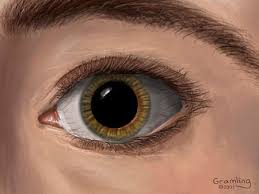
- dilated pupils
- cold, clammy skin
- pallor
- short, rapid breathing
- bloating of the abdomen
- shortness of breath
Treatment
In most cases two processes are carried out:
- The closure of the hemorrhagicfocus
- Blood transfusion
Complications
Most internal bleeding causes a constant loss of small amounts of blood . If not detected and treated, hidden bleeding can cause severe anemia . This type of bleeding can also indicate the presence of a serious disease , such as cancer .