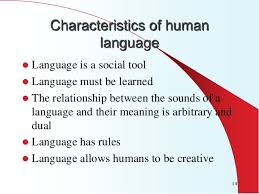
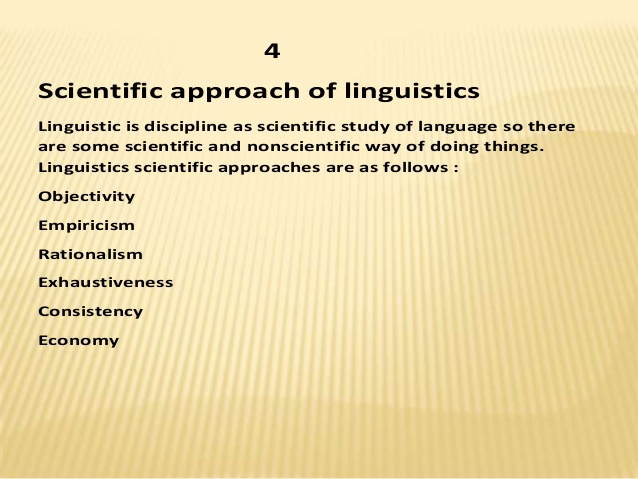
Language variation is one of the sociolinguistic phenomena. Language variations occur there are aspects of community in language. Sociolinguistics itself comes from two words namely ‘socio’ and ‘linguistic’. The word sosio means related to society (social) and linguistics is the study of language. It can be said that sociolinguistics is a branch of language that studies the relationship between society and language. This science looks at language from the point of view of its use in society.
4 Types of Language Variation
Varicose language arises from speech acts of society. Therefore the variation of language sharing into 5 types, namely (1) idiolect, (2) dialect, (3) speech level, (4) variety of languages, and (5) register.
1. Idiolek
Idiolek is an individual language variation. These variations only occur in one person and are different from others. Idiolek can be characterized by the color of one’s voice. Usually only by hearing the color of his voice we will know who is speaking.
Read: Differences in Language, Dialect, Idolism, Pidgin and Creole
2. Dialect
Dialect is a variety of languages that exist in a particular region and often characterizes the speakers’ origin. Social class can also result in different dialects. Briefly geographical and social factors influence dialect. Dialects are usually accumulative rather than individual. For example, a community in a certain area has the same dialect.
But actually dialect is not a different or new language. Dialect is still part of a language. Variations are only in the form of words, phrases, intonations, or pronunciations that are slightly different from words, phrases, intonations, or pronunciations in the same language.
Example: Javanese has several dialects namely Surabaya, Jogja Solo, and Banyumasan dialects. To mention the word ‘you’ in the language there are several dialects namely ‘ koe’, ‘siro’, ‘riko’, ‘ko’, and ‘your crew’
3. Speech rate
Speech level ( speech level ) variations arising from differences in speech partners. Speakers will consider who is the speech partner. Different partners will result in the use of different variations. Speech level is done consciously if someone or community speech . The speech level is also not a new language, but still in the same language. Speech level can be seen with different word choices with different people. It also favors modesty for the interlocutor.
Example: Javanese language recognizes responsiveness, when talking to an older person or is considered to have a higher social status then speakers will tend to use kromo language , whereas for partners who are the same age will use ngoko language .
4. Variety of Languages
Various languages occur because of differences in the viewpoints of speakers, places, and situations. This results in a variety of official (formal) and non-formal (non-formal) languages. Formal variety is used at official events of course with a choice of words that suit the situation.
Read: Understanding and Examples of Language, Dialect, Idol, Pidgin and Creole
5. Register
Variety of languages is the variety of languages used by a person or speech community for a particular purpose. The register has a specific purpose and function in accordance with the intention of the speaker. It also covers the social context. Registers can be found both in oral and written text. Oral registers in political languages are different from biological languages. Even though there are several words in common, the meaning is different. The oral register in the ad language will be different from the language of the newspaper.