
Linguistics And Anthropology is very interesting topic.Broadly speaking, Anthropology is the study of mankind and of culture. Its main subdivisions are physical anthropology and cultural anthropology. Linguistics is a branch of cultural anthropology. The chief contribution of cultural anthropology, as a whole, to the study of language has been the broadening of linguists’ outlooks so that their horizons include, not only languages, but culture of many different types.
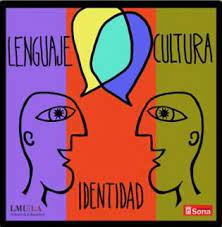
It has helped in removing the misconception that one language is superior to the other in accepting a generalization that all languages are complex and are adequate to the needs of the respective communities, and in establishing certain linguistic universals. It has also made clear to the linguist the fact that languages are not primitive’ although cultures may be primitive. Furthermore, a language is a language even if it has no writing system.
Linguistics and Anthropology A complete Guide for Linguistics Students.

On another level, linguistics has made a very valuable contribution to the methodology of social sciences, through the concept of the functional unit and the distinctive feature of behavior, etc. Anthropology has benefited from linguistics in the field of individual and social group learning process, correlation between heredity and linguistic structure, etc. The fact that a man’s dialect is the mirror of his culture has also been beneficial to the anthropologists and sociologists.
Now-a-days, the relationship between linguistics and anthropology is less close. But at the same time a new discipline called socio Linguistics is expanding rapidly, meaning thereby, sociology and linguistics are getting closer.
Language is a product of human culture, therefore, one of the studies in anthropology is linguistic anthropology, which is a branch of anthropology that examines the role of language in the social life of a person or a community.
The scope of linguistic anthropology
Linguistic anthropology explores how language shapes communication. Language plays a large role in social identity, group membership, and building cultural and ideological beliefs.
Meanwhile, linguistic anthropologists have ventured into the study of everyday encounters, language socialization, ritual and political events, scientific discourse, verbal arts, language contact and language shift, literacy events, and the media.
Anthropological linguistics is distinguished from linguistic anthropology. The difference between the two lies in the focus of the research. Linguistic anthropology emphasizes anthropological research. While anthropological linguistics focuses on aspects of language (linguistics). Language in anthropological linguistics is the most complex classification system. of a culture.
Linguistics And Anthropology
Linguistics and anthropology are two distinct academic disciplines, but they often intersect in various subfields and methodologies. Here’s a brief overview of each and how they intertwine:
- Linguistics:
- Definition: Linguistics is the scientific study of language. It examines how language is structured, how it is acquired, how it changes over time, and how it is used in social settings.
- Subfields: phonetics, phonology, morphology, syntax, semantics, pragmatics, sociolinguistics, psycholinguistics, historical linguistics, etc.
- Anthropology:
- Definition: Anthropology is the study of humans, past and present. It aims to understand the complexities of cultures and societies.
- Subfields: cultural anthropology, physical (or biological) anthropology, archaeology, linguistic anthropology, etc.
Intersection: Linguistic Anthropology
- Linguistic Anthropology: This is where linguistics and anthropology overlap most clearly. Linguistic anthropologists study how language reflects and influences social life, thought, and cultural values. Topics might include:
- Language and identity: How language reflects group membership, such as ethnicity, nationality, gender, or social class.
- Language change and contact: How languages change when different cultural groups come into contact.
- Ethnography of communication: Examining the ways people use language in context and the cultural norms governing communication.
- Language and thought: Investigating how different languages might shape the ways people perceive and think about the world (related to the Sapir-Whorf Hypothesis).
Shared Methodologies: Both linguists and anthropologists might use similar fieldwork techniques, such as participant observation, interviews, and surveys. For example, a linguistic anthropologist might live in a community to study the nuances of their communication practices.
Creating a guide in a tabular format comparing Linguistics and Anthropology involves outlining the key aspects of each discipline. Here’s a basic structure for such a table:
| Aspect | Linguistics | Anthropology |
|---|---|---|
| Definition | The scientific study of language and its structure, including the study of morphology, syntax, phonetics, and semantics. | The study of humans, human behavior, and societies in the past and present. |
| Subfields | Phonetics, Phonology, Morphology, Syntax, Semantics, Pragmatics, Sociolinguistics, Psycholinguistics. | Cultural Anthropology, Social Anthropology, Physical/Biological Anthropology, Archaeology, Linguistic Anthropology. |
| Focus | Language structure, language acquisition, language change, language variation. | Human cultures, societies, biological and material remains, human biological diversity, language in a cultural context. |
| Research Methods | Text analysis, fieldwork (e.g., language documentation), experimental methods, computational methods. | Participant observation, ethnography, interviews, surveys, archaeological excavation, analysis of material culture. |
| Key Concepts | Grammar, Phoneme, Morpheme, Syntax, Semantics, Language Evolution. | Culture, Society, Ethnography, Evolution, Material Culture. |
| Applications | Language teaching, computational linguistics, forensic linguistics, speech therapy. | Cultural resource management, public policy, human rights advocacy, museum curation, education. |
This table highlights the differences and some overlaps between linguistics and anthropology. While both fields share an interest in human communication and culture, linguistics is more focused on language specifically, whereas anthropology has a broader scope encompassing all aspects of human life.
Cultural anthropology is a field of social science that attempts to answer various questions about humans in their social status and position.
Key Concepts in Linguistics and Anthropology:
- Phonetics: The study of speech sounds and how they are produced and perceived.
- Morphology: The study of the structure of words and how they are formed.
- Syntax: The study of sentence structure and grammar rules.
- Sociolinguistics: The study of how language is used in social contexts.
- Cultural Anthropology: The study of human societies and cultures.
- Ethnography: The practice of conducting fieldwork to study a particular culture in-depth.
Linguistic Anthropology: Where Language Meets Culture
Language is more than grammar and vocabulary — it’s a mirror of how we live, think, and relate to others. Linguistic anthropology explores that connection by studying how language shapes and reflects cultural life. In this blog, we’ll dive into real-world examples, key differences between linguistics and anthropology, and what a career in linguistic anthropology might look like.
🔍 What Is Linguistic Anthropology?
Linguistic anthropology is a subfield of anthropology that studies language in its social and cultural context. It’s about more than words — it’s about how people use language to create meaning, build identities, and navigate power structures.
🧩 Examples of Linguistic Anthropology in Action
Here are a few fascinating ways linguistic anthropologists explore language in the real world:
1. Language and Identity
-
Studying how teenagers in bilingual communities switch between languages (code-switching) to express different parts of their identity.
Example: In Latino communities in the U.S., switching between English and Spanish can signal cultural pride or social belonging.
2. Language and Power
-
Analyzing how language reflects or reinforces social hierarchies.
Example: In courtroom settings, the way lawyers and judges speak can reveal who holds power — and who doesn’t.
3. Language Loss and Revitalization
-
Documenting endangered languages and helping communities preserve or revive them.
Example: Working with Indigenous communities in Australia to teach younger generations their ancestral languages.
4. Language and Ritual
-
Studying chants, storytelling, or ceremonial language in traditional cultures.
Example: The use of specific speech forms in Native American powwows or African griot storytelling traditions.
🔬 Linguistics vs. Anthropology: What’s the Difference?
While both fields study language, their focus and methods are quite different.
| Linguistics | Anthropology |
|---|---|
| Focuses on the structure and rules of language (phonology, syntax, semantics) | Focuses on human culture, behavior, and social systems |
| More technical and formal analysis of language | More cultural and interpretive analysis |
| Example: Studying sentence structure in German | Example: Studying how German immigrants maintain language traditions in a new country |
Linguistic anthropology blends both: It’s rooted in anthropology but uses tools and theories from linguistics.
🔄 Relationship Between Linguistics and Anthropology
Linguistics and anthropology often overlap in areas like:
-
Language evolution: How language developed alongside human culture.
-
Language and worldview: How language reflects ways of thinking (e.g., the Sapir-Whorf Hypothesis).
-
Ethnography: Both fields use ethnographic fieldwork to understand how people live and communicate.
🧠 In short: Linguistics focuses on how language works. Anthropology focuses on what language does in a cultural context.
💡 Why Is Linguistic Anthropology Important?
🌍 1. Preserving Cultural Diversity
Thousands of languages are disappearing. Linguistic anthropologists work to document and preserve endangered languages, which often carry unique worldviews and knowledge systems.
🧠 2. Understanding Human Behavior
Language shapes how we see reality. By studying speech patterns, we gain insight into social norms, values, and power dynamics.
🤝 3. Promoting Social Justice
Analyzing how language is used in politics, education, or the media helps uncover and challenge inequalities and discrimination.
Example: Investigating how dialects are unfairly judged in school systems can lead to more inclusive language education policies.
🎓 Pursuing a Linguistic Anthropology Degree
If you’re interested in studying language, culture, and society, a degree in linguistic anthropology might be for you.
🏫 What You’ll Study:
-
Language and culture
-
Sociolinguistics
-
Language documentation
-
Ethnographic research methods
-
Linguistic fieldwork
📚 Common Courses:
-
Introduction to Linguistic Anthropology
-
Language and Power
-
Endangered Languages
-
Language in Society
-
Field Methods in Anthropology
🧑🔬 Career Paths:
-
Language documentation and revitalization
-
Museum or cultural heritage work
-
International development and NGOs
-
Academic research or teaching
-
Government or policy analysis (especially in multilingual settings)

