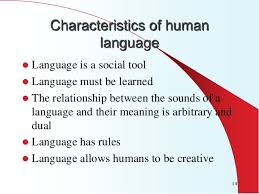
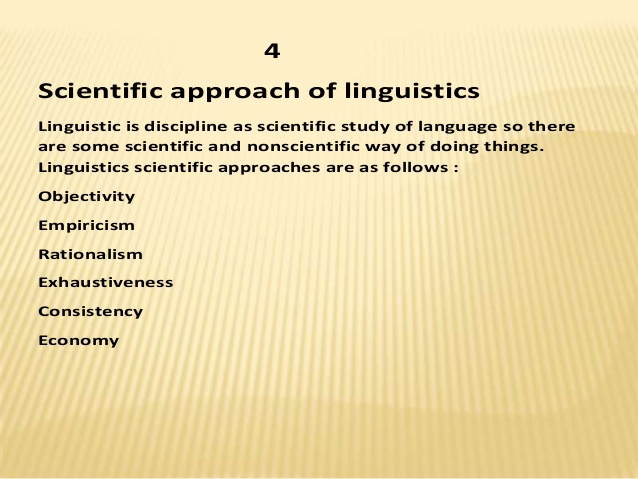
Is a Linguistics Degree Useful?That is a great question—and a very practical one! Here is the short answer: Yes, a linguistics degree is useful, but it is not a “vocational” degree (like nursing or engineering). It won’t train you for one specific job. Instead, it gives you highly transferable skills that are valuable in many careers.Linguistics is the scientific study of language and its structure, including the analysis of grammar, syntax, semantics, and phonetics. It involves the study of how languages are constructed, how they function, and how they are used in different contexts.
Is a Linguistics Degree Useful?

If you want to teach English as a second language (ESL), teach a foreign language, or even teach reading, linguistics is incredibly helpful.
-
You understand why students make certain mistakes (e.g., why a Spanish speaker might say “I have hunger” instead of “I am hungry”).
-
You know how to explain grammar clearly without confusing students.
-
You understand how people actually learn languages, not just memorize vocabulary.
Note: In many countries (like Pakistan), to teach in schools, you usually need a B.Ed. (Bachelor of Education) on top of your linguistics degree. The linguistics degree gives you the subject knowledge; the B.Ed. gives you the teaching skills.
2. It Develops Super “Soft Skills” That Employers Love
Linguistics is not just about grammar. It trains your brain to think in ways that are very valuable in the job market:
| Skill You Learn | Why It’s Useful |
|---|---|
| Critical thinking | You learn to break down complex problems and find patterns. |
| Data analysis | Linguists analyze language data—this is similar to how data analysts work with numbers. |
| Attention to detail | You notice tiny differences in sounds, words, and meanings that others miss. |
| Excellent communication | You understand how language works, so you write and speak more clearly. |
| Cultural awareness | You learn about different cultures and how people communicate differently. |
Where a Linguistics Degree is NOT So Useful
1. It Does Not Train You for a Specific Job
Unlike a degree in accounting or IT, you won’t graduate with a clear job title. You will have to sell your skills to employers and explain why they should hire you. Many graduates end up in jobs that are only indirectly related to language.
2. It is Not Always a High-Paying Degree (At First)
Starting salaries for linguistics graduates are often average. The really high-paying jobs (like computational linguistics or AI) require you to also learn coding and computer science on top of your degree.
3. If You Want to Teach in Schools, You Need More Qualifications
As I mentioned earlier, a BA in Linguistics alone will not make you a certified school teacher in most countries. You will need a teaching license or a B.Ed. to work in government or private schools.
A linguistics degree is useful, but it is a “Swiss Army knife” degree—it gives you many tools, but you have to decide what you want to build with them. It does not hand you a ready-made career.If you pair it with other skills (like teaching certification, coding, or business knowledge), it becomes extremely powerful. On its own, you will need to be proactive about internships, networking, and selling your skills to employers.