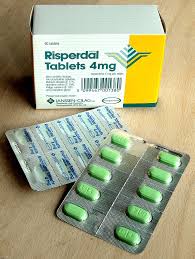
Paracetamol ( PARACETAMOL ) / I Peseta amino Fenton ( o Acetaminophen ) or medicines that are commonly known in the trade name C Moulton ( Cemol ), Panasonic Hollywood ( Panadol ), para cap ( Paracap ),. Sara ( Sara is ), Tempe Prasad ( Tempra ), Tai Lin million ( ‘s Tylenol.) Is a drug that has an inhibitory effect on the formation of protaglandin. (Prostaglandin) in the brain, in the same way as non-steroidal anti-inflammatory drugs (NSAIDs), can be used as a pain reliever and fever reducer in both children and adults. (But has a limited analgesic effect It can only cure mild to moderate pain), but has very mild anti-inflammatory effects. And did not affect the cause of the EpeT (Gastric ulcer and duodenal ulcer) [1]
Paracetamol is a widely used pain reliever and fever reducer. Easy to buy And is a relatively safe drug when used properly. Because it does not cause stomach irritation (It can be eaten with food or on an empty stomach) does not cause bleeding easily. And rarely cause allergic reactions Therefore, it is suitable to be used as an analgesic and fever reducer for people in both children and adults. Especially in people with disease Epe. People who are allergic to aspirin (Aspirin) or non-steroidal anti-inflammatory drugs (NSAIDs), or to patients with suspected dengue fever or bleeding disorders. And in people under the age of 12-19 years (depending on reference) suspected of having viral infections (such as influenza, mumps, measles, chickenpox, etc., because it may cause Reye’s syndrome) A condition in serious danger of death) [1], [6]
Example of paracetamol
Paracetamol (generic name) has trade names such as Boots paracetamol, Biogesic, Calpol, Cemol, Daga, Masapara, Mypara, Panadol, Paracap, Paracet, Paracetamol GPO, Paracetamol, Yaowarat. (Paracetamol Jawarad), Paramol, Parat, Sara, Pyracon, Tempra, Tylenol, United Nikap (Unicap), etc.
Paracetamol dosage forms
- Tablets 325 mg and 500 (also available as 650 mg tablet of immediate-acting and long-acting types, too).
- Syrup / liquid suspension , 120, 160, 240 and 250 mg / 5 ml (1 tsp)
- 100 mg / 1 ml concentrated syrup / liquid suspension
- Drops of 60 mg in 0.6 ml of water.
- Injection dose 150 mg / ampoule (2 ml)
IMAGE SOURCE: www.ebay.com / Cemol 100 tablets, about 35-59 baht.
IMAGE SOURCE: www.panadol.co.th, www.prachachat.net / Panadol (Panadol) of 8 tablets, price about 39 baht.
IMAGE SOURCE: www.thailandstore.net / Paracap, pack of 50 tablets, price about 40 baht.
IMAGE SOURCE: Medthai.com / Sara (Sara) 10 tablets, price about 10 baht.
IMAGE SOURCE: www.cwdofficesupply.com, winzzz.lnwshop.com / Times Deutschland methanol (Tylenol) box of 200 tablets (20 panels) costs about 175 baht, gearbox 100 tablets costs about 130-160 baht, a panel of 10 tablets price. About 10 baht, a panel of 4 tablets, the price is about 6 baht.
IMAGE SOURCE: pantip.com (by Big Man), Tesco Lotus, www.ubook.msu.ac.th
Properties of paracetamol
- Used as a fever reducer, an antidote (fever)
- Used as a remedy for all types of mild to moderate pain (Pain) [1], [4] such as headache (such as pain from stress or migraine), nerve pain (Neuralgia), toothache, back pain, muscle pain. , Sprains, primary menstrual cramps, pain after surgery, pain due to osteoarthritis or osteoarthritis, including pain caused by colds, flu, etc. [7], [8] but this drug does not reduce the Inflammation of the body such as inflammation from bumps, bruises. Swelling and redness due to arthritis, etc. [3], [5]
- This medication may be used to treat other diseases or conditions, and if in doubt ask your doctor or pharmacist [4].
Pain in which paracetamol is less effective or not effective.
Although paracetamol can provide a wide range of pain relief, it is almost a panacea. But it still has some pain, paracetamol does not result in a cure or effective treatment for very little [6] , for example.
- Severe pain,such as pain from a major surgical wound or from cancer, etc. The simple pain assessment method is a pain score of 0 to 10 with 0 instead of feeling without pain at all and the number 10. Instead of the most painful feeling imaginable If assessed, the numbers are in the range of 7-10, meaning severe pain. Using a single dose of paracetamol will not relieve the pain. Therefore, people with such pain levels should not exceed the recommended dose of paracetamol for pain relief and should see a doctor for appropriate medication.
- Headaches that happen often Taking this medicine to treat headache often, especially using it for more than 15 days a month for 2-3 months in a row increases the risk of Medication overuse headache. Frequent headaches, such as stress-like headaches that are strained headaches for more than 15 days per month or migraine headaches more than 3-4 times a month should be consulted with your doctor to determine the underlying cause and may need other medications Instead of paracetamol to prevent further headache
- Pain with an odd nature.In general, the pain that paracetamol has as a therapeutic effect is a common headache. Dull pain or tenderness from inflamed tissues But there will be some pain such as burning pain Intermittent tingling pain like an electric shock Aching to another area Or pain like a small needle, which may indicate pain from a nerve malfunction. Pain in combination with numbness Which paracetamol has very little effect in treating these symptoms. As a result, patients with nerve pain often have a chronic condition that may require paracetamol for a long time. This will increase the risk of liver disorders. If you have any of these symptoms, you should consult your doctor for a proper diagnosis and treatment.
Paracetamol to pregnant and lactating women
- For pregnant women , this drug is classified as Category B according to the US Pregnancy Category, referring to one of the following cases: 1. Animal studies have shown no risk to the embryo. But no controlled studies have been conducted in pregnant women, or 2. Some animal studies have found dangers. But this has not been confirmed by controlled studies in first trimester pregnant women. (And no evidence of risk in the later trimester), so pregnant women should consult their doctor before using this drug [8].
- For lactating women This drug can be excreted in the milk in no clinically significant amounts. (The milk content of the drug is only 0.1-1.85% of the mother’s oral dose.) Evidence currently has not been found to be contraindicated in breastfeeding women [8]
Mechanism of action of paracetamol
The exact mechanism of action is currently unknown. But it is believed that paracetamol works by inhibiting the production of protaglandin. It can also induce pain-relieving effects by inhibiting the enzyme cyclooxygenase. (Cyclooxygenase), especially type 2 but weak. And inhibits the reversible enzyme cyclooxgenase In addition, there are other mechanisms that can inhibit pain, such as indirect activation of cannabinoid receptors, type 1 .
The mechanism for reducing fever Paracetamol inhibits the production of protaglandin. (Prostaglandin) in the central nervous system and inhibits the hypothermic centers of the hypothalamus. (Hypothalamus) makes the vascular end to expand. And increases blood flow [8]
Before using paracetamol
When prescribing all drugs, including paracetamol Here are some things to tell your doctor or pharmacist:
- History of paracetamol allergy (Paracetamol) and other drugs of all kinds, including allergy symptoms such as taking the drug, increased nausea, rash or tightness, shortness of breath / difficulty breathing, etc.
- Various underlying diseases such as heart disease, high blood pressure, etc. and prescription and self-administered drugs Including dietary supplements, vitamins, and various herbal drugs that are currently or are currently being used. Because paracetamol may exacerbate the symptoms of the underlying disease. Or drug interactions with other drugs and / or other dietary supplements (In some cases, drugs that interact with the drug cannot be used together. But in some cases it may be necessary to use those two drugs together. Although there may be interactions between drugs that can occur In which case the doctor may adjust the dosage or increase caution when using it
-
- The use of paracetamol in combination with anticoagulants. (Anticoagulants) such as acinocumarol. (Acenocoumarol), heparin, warfarin may enhance anticoagulant activity [1].
- Concomitant use of paracetamol with antiretroviral drugs (AZT) or anticholinergic drugs. (Anticolinergic) may reduce the efficacy of such drugs [1].
- The use of paracetamol with antiepileptic drugs such as barbiturate (barbiturate), carbamazipine. (Carbamazepine), phenobarbital (Phenobarbital), phenytoin, or tuberculosis drugs such as Isoniazid, Rifampicin, or taken with alcoholic beverages. These drugs are synergistic, causing liver toxicity and are at risk of impaired liver function [1], [3].
- The continued use of high-dose paracetamol or in combination with imatinib can increase paracetamol levels and increase hepatotoxicity [8].
- Having or have ever had liver function disorders or a history of liver disease.
- Have G-6-PD (G-6-PD) hypothyroidism [8]
- Have a history of drinking high amounts of alcohol or frequent and / or a history of alcoholism (Alcoholism).
- The age or age of the drug users, such as children, the elderly (in infants or young children, you should tell your doctor or pharmacist your weight).
- If it’s a lady Should report that there is a pregnancy Or are planning a pregnancy Or are breastfeeding This is because many drugs can pass through the placenta or milk and enter the baby, potentially causing adverse effects on the baby.
Contraindications / precautions for use of paracetamol
- Do not use this drug in people with a history of paracetamol allergy. (Paracetamol) [1]
- Do not use this drug in people with liver disease or severe renal failure [1] or when yellowing the eyes [7].
- Do not use drugs that have expired or are worn out.
- Avoid long-term use of paracetamol in patients receiving zidovudine because hepatotoxicity and a haemolytic condition have been reported. (Neutropenia), but if necessary, use together. To monitor white blood cell levels and liver function periodically. Especially in people with malnutrition [8]
- Avoid taking this drug with alcoholic beverages.
- Caution should be exercised in people with malnutrition. Have little weight Drink alcohol regularly or have alcoholism Liver disease or in patients with impaired liver conditions This includes people taking certain drugs, such as antiepileptic drugs, TB drugs, etc. [1], [8]
- Use of this drug should be cautioned in people with G-6-PD deficiency since hemolysis has been reported in patients with an overdose of paracetamol [8].
- Use of this drug should be cautioned in people with severe renal impairment. (The doctor will determine the appropriate dosage for the patient) [8]
How to use paracetamol
- Oral tablet(325 or 500 mg tablet) and syrup for children (120 mg: 1 teaspoon or 5 ml).
- For adults and children 12 years and over, take 325-1000 mg of paracetamol and can be repeated every 4-6 hours only when there is pain or fever. (Maximum not more than 1,000 milligrams per time and not more than 4,000 milligrams per day) [1], [2]
- For tablets of 325 mg, if the user has a body weight of 22-33 kg, take 1 tablet each time, 34-44 kg body weight, take 1 1⁄2 tablet each time, and if the weight is 45 kg or more. Give the drug 2 tablets a time [8].
- For 500 mg tablets, if the user has a body weight of 34-50 kg, take 1 tablet each time, 51-67 kg body weight, take 1 1⁄2 tablet at a time and if the weight is 68 kg or more. Give the drug 2 tablets a time [8].
- For tablets of 650 mg only for people weighing 44 kg or more. To take the medicine 1 tablet at a time
- In children younger than 12 years, thedrug is administered at a time of 10-15 mg / kg of body weight and can be repeated every 4-6 hours when symptoms develop. (Maximum 5 times a day) [1], [2] or according to body weight or age as follows.
- Children aged 0-3 months or 2.7-5.3 kg of body weight should be given 40 mg (1.7 ml) each dose and can be repeated every 4 hours (up to 5 times a day) [1], [2].
- Children 4-11 months old or 5.4-8.1 kg of body weight should be given 80 mg (3.4 ml) of the drug each time and can be repeated every 4 hours (maximum 5 times a day) [1], [2].
- Children aged 12-23 months or weighing 8.2-10.8 kg are given 120 mg (5 ml or 1 teaspoon) of the drug each time and can be repeated every 4 hours (up to 5 times a day) [1], [ 2)
- Children aged 2-3 years or weighing 10.9-16.3 kg should be administered 160 mg (6.7 ml) per dose and can be repeated every 4 hours (maximum 5 times a day) [1], [2].
- Children aged 4-5 years or weighing 16.4-21.7 kg are given 240 mg (10 ml or 2 teaspoons) of the drug each time and can be repeated every 4 hours (up to 5 times a day) [1], [ 2)
- Children aged 6-8 years or weighing 21.8-27.2 kg should take 320 mg tablets (or take 1 325 mg tablet) and repeat every 4 hours (up to 5 times a day) [1 ], [2]
- Children 9-10 years of age or 27.3-32.6 kg of body weight should be given 400 mg dosing per dose and can be repeated every 4 hours (up to 5 times a day) [2].
- Children aged 11-12 years or weighing 32.7-43.2 kg are given 480 mg dosing per dose and can be repeated every 4 hours (up to 5 times a day) [2].
- For adults and children 12 years and over, take 325-1000 mg of paracetamol and can be repeated every 4-6 hours only when there is pain or fever. (Maximum not more than 1,000 milligrams per time and not more than 4,000 milligrams per day) [1], [2]
- Injection drug
- In adults and children 13 years and older weighing 50 kg or more. Inject 1,000 mg intravenously every 6 hours or 650 mg every 4 hours (maximum of 1,000 mg each and not more than 4,000 mg per day) [2].
- In adults and children aged 13 years and over with a body weight of less than 50 kg,the IV injection is 15 mg / kg body weight every 6 hours or 12.5 mg / 1 kg body weight every 4 hours (max. 15 mg / 1 kg of body weight and not more than 75 mg / 1 kg of body weight) [2]
- In children aged 1-12 years, IV injection is 15 mg / kg body weight every 6 hours or 12.5 mg / 1 kg body weight every 4 hours (maximum 15 mg / kg body weight every 4 hours and Not more than 75 mg per day / 1 kg of body weight, but maximum 3,750 mg) [2]
- Another indicates that the injection (150 mg / ampoule) for adults is administered intramuscularly, 1⁄2-1 ampoule, for children, 1⁄2-½ ampoule at a time. Can’t take medication [1]
Note : The drug will begin to act within 10-30 minutes after eating. And will last for 4-6 hours [5]
Instructions for use of paracetamol
- Although paracetamol is a common home drug But this drug should not be used indiscriminately. (Especially in children, the elderly and people with chronic underlying disease) Patients should use this drug only when symptoms are present. If symptoms persist or persist, repeat every 4-6 hoursor use this medication as directed on the label or as directed by your doctor. Do not use less or more of the medication than indicated. Or use drugs more often than prescribed by a doctor Because they can cause harm to the liver [1], [3], [4]
- This drug can be taken before and after meals. (Food does not affect the bioavailability of the drug), but should be taken the same and taken every time. And should drink 1 glass (250 ml) of water after taking the drug [4], [8]
- In children under 4 years of age, syrup-type paracetamol should be used for children [7].
- For liquid and sediment suspension The container or measuring device provided with the drug should be used to measure the volume. And this drug should not be mixed with milk or baby food. (Always shake the vial before each use) [4]
- To be safe when using the drug, follow these tips.
- In infants and young children Always consult your doctor or pharmacist before using this drug.
- In children under 5 years of age,this drug should not be more than 1,200 milligrams per day [1].
- In children up to 12 years of age, thedrug should not be more than 15 mg / kg of body weight or not more than 500 mg per dose. And the maximum daily dose should not exceed 2,600 milligrams [8].
- In adults and children over 12 years thedrug should not be more than 15 mg / kg body weight or not more than 1,000 mg per dose. And the maximum daily dose should not exceed 4,000 mg (500 mg per tablet, not more than 8 tablets) [8].
- For children, do not take this drug for more than three to five days in a row, and for adults, do not take it for more than 5 to 10 days [4](if necessary, consult a doctor [6] ).
- The above dosage is just one example. It cannot be used as a substitute for a doctor’s or pharmacist’s prescription. In addition, the dose of paracetamol did not depend on the patient’s age and body weight. But also depends on the disease of the patient, for example, if the patient has liver and / or kidney disease. The doctor will have to reduce the dose taken to ensure safety, etc. [3]
- During the use of paracetamol, smoking should be refrained. Because the hydrocarbons in cigarettes may reduce the effect of paracetamol.
- In the event that a patient is using multiple drugs To check the generic name of the drug that contains paracetamol. (Paracetamol) is there a duplicate in each drug? Because nowadays, there are many kinds of drugs that contain paracetamol hidden. Especially pain reliever formulas such as Norgesic, Tylenol with codeine, Ultracet, etc., and cold remedies such as AP Apracur, Decolgen, Pharcold, Tiffy, etc. The repeated exposure of these drugs may cause paracetamol in the body. Accidentally overdose And if unsure of the total dose of paracetamol Consult your doctor or pharmacist [5], [6].
- When taking paracetamol and having a high fever (The temperature is higher than 39.5 ° C) or when the fever persists for more than 3 days, or when the fever persists or the pain has not improved within 10 days in adults or 5 days in children, seek medical attention [8]. )(The other information indicates If symptoms persist within 1-2 days after taking the drug Should seek immediate medical attention and correct treatment [3]).
- If taking the drug and these symptoms occur You must stop using the drug and seek immediate medical attentionsuch as hives, swelling of the face, eyelids, lips, fainting, chest tightness, difficulty breathing, redness, blistering, flaking skin, bruising on the skin. Bleeding unusual, easy to get tired, easily catching a cold [8]
- If need to take this drug continuously and these symptoms occur. You must stop taking the drug and seek immediate medical attention, such as nausea, vomiting, abdominal pain, bloating, jaundice, yellowing of the eyes, darkening of urine. [8]
- In case of a large overdose of paracetamol, if found 3-4 hours after taking the drug Should immediately induce vomiting. By using your finger to hit the wall of the throat. Or take the drug IPCac syrup (Syrup of Ipecac) to induce vomiting [1]
How do i store paracetamol?
- Keep this medication in the original container it came in, tightly closed, and kept out of the reach of children and pets.
- This drug should be stored at room temperature. Keep the drug away from direct sunlight and heat. Keep the medication away from hot temperatures over 30 ° C and do not store the medication in wet or humid areas (eg in the bathroom), as heat or humidity may cause deterioration of the drug.
- For the liquid medicine, when used, the bottle should be tightly closed and kept in a temperature not higher than 25 degrees Celsius (keep in the refrigerator. But not the freezer) and after opening the bottle Can continue to use the drug for up to 3 months (when the drug has not deteriorated, such as a change in color or smell).
- Discard drugs that are expired or worn out, such as changed color or smell, broken tablets, etc.
When I forget to take paracetamol
- Paracetamol is generally used only when symptoms are present. If taking the drug once and the pain subsides or disappears. Without having to take medicine next time (Forgetting to take the drug is not dangerous) but if symptoms persist, it can be repeated every 4-6 hours without increasing the dose for the next time.
- If your doctor has prescribed this medication every 4-6 hours, if you forget to take paracetamol, take it as soon as you remember it. But if it is close to the next meal You can skip taking the next pill straight away. Without increasing the dose twice or more than usual
Side effects of paracetamol
- The main side effect of paracetamol is liver toxicity. If used consecutively for a long time or over-use (more than 140 mg / kg body weight), such as children, 1,500-3,000 grams per dose, adults 7,000-10,000 mg per time may cause liver cell damage. Became acute liver failure (Patients will develop jaundice, delirium, seizures, kidney failure approximately 24-48 hours after taking the drug) and death. [1], [3]
- Overdosage of this drug can lead to renal failure from renal tubular necrosis, and if used for a long time. It can cause chronic renal failure [1].
- Toxic hepatitis can be caused if administered at a daily dose of 5,000-8,000 mg for several weeks or 3,000-4,000 mg for 1 year. [1]
- The most common side effects that can be seen are headache, abdominal pain or discomfort, nausea and vomiting [4] . (Need to notify a doctor or pharmacist immediately) is allergic reactions such as rash, itching, hives, swelling of organs such as face, eyes, lips, neck, hands, arms, calves, legs, ankles, breathing or swallowing. Have breathing problems, fever, sore throat, hoarseness, difficulty urinating, or change in volume Unusual bleeding or bruising Unusual fatigue Yellow eyes, yellow eyes [1], [4], [5]
- A very rare side effect is hemolytic anemia. Low white blood cells Low blood platelets [1]
Paracetamol overdose
- Potential toxic dose
- Acute overdose In adults who gave paracetamol a day 10,000-15,000 mg for 1-2 days can cause damage to liver and ureteral cells. In this case, consult a doctor immediately. Although no abnormal symptoms were observed (the risk of hepatotoxicity may be increased when taking more than 150 mg / kg or 12,000 mg of body weight) [8].
- In adults, taking 10,000 milligrams or more of paracetamol or 5,000 milligrams or more in people with risk factors (for example, those who drink a lot People receiving drugs that induce liver enzymes. People with glutathione deficiency (eg, HIV, malnutrition, etc.) may cause liver damage .
- In children, hepatotoxicity increases with the recommended overdose of 10-15 mg / kg of body weight and more than 5 times a day. Wrong drug Using the wrong strength Or increasing the dosage by itself when the original dose did not work) [8]
- Symptoms of an acute overdose The toxicity of paracetamol is broken down into four stages [8]
- Phase 1occurs within 1 hour after taking the drug. They usually disappear within 24 hours, often showing anorexia, nausea, vomiting, and abdominal discomfort. And a flood of sweat
- Phase 2occurs within 24-36 hours after taking the drug. They often show abdominal cramps, enlarged liver, increased bilirubin and liver enzymes, prolonged prothombin time, and urinary incontinence.
- Phase 3occurs within 72-96 hours after taking the drug. They often show anorexia, nausea, vomiting, feeling sick. Have symptoms suggestive of liver failure, such as acidosis, cerebral edema, cerebral hemorrhage Low blood pressure Low blood sugar, renal failure, infection, jaundice, liver enzymes often greater than 10,000 units / l, coagulation disorders. Encephalopathy and Cardiomyopathy
- Stage 4:The patient may return to normal. Or may cause liver failure until death
- Treatment for acute poisoning
- Activated charcoal powder To help reduce the absorption of paracetamol through the digestive tract. When taking more than 150 mg / kg of body weight in less than 1 hour [8]
- AntitoxinIs acetyl cysteine (Acetylcysteine) with trade names such as Fluimucil (Fluimucil), the patient is first administered at a dose of 140 mg / kg body weight, and 4 hours later a dose of 70 mg / weight 1 kg of body every 4 hours, 17 times in total (this drug in 1 sachet contains 100 or 200 mg of drug) will help prevent liver toxicity. Especially If given within 8-16 hours after taking paracetamol (even after 24 hours, the antidote should be given anyway). For instructions, mix acetyl cysteine in water, fruit juice, or Carbonated water in drug proportion 1 part:[1]
- Gastric lavage Some studies have found that this method may be helpful in patients who overdose within an hour of