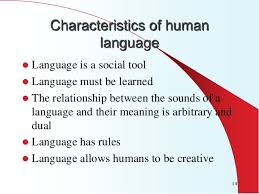
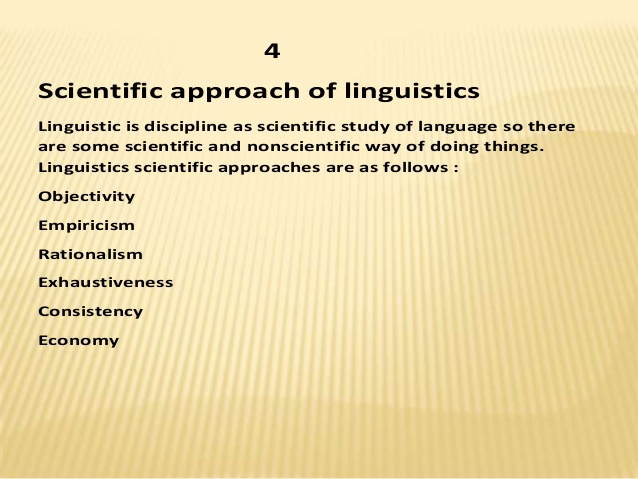
How to communicate telepathically with animals and deepen your connection with the animal kingdom. Develop your telepathic abilities with practical tips and techniques.Human Language and Animal communication Is Still controversial debate Today.Language is what makes us human, and we all seem to be naturally curious about it.We do much more than just communicate with language: we play games with it we can think, understand, feel, and talk with language.
Telepathy is the ability to transmit thoughts, feelings, and emotions without the use of verbal or physical communication. It is a form of non-verbal communication that transcends language barriers and allows for direct, intuitive communication between beings. When we communicate telepathically with animals, we are tapping into their energy field and connecting with them on a soul-to-soul level.
How To Communicate Telepathically With Animals.

Real “telepathic” communication with animals isn’t about sending English sentences into their brains. It’s about bypassing language entirely and using the universal communication systems that all mammals already possess. Here is how to do it, backed by real examples and actionable tips.
Step 1: Shift from “Talking” to “Sending Feelings”
Animals do not process human grammar (rules #1-12 above are useless to a dog). But they are experts at reading somatic (bodily) and emotional energy.
-
The Tip: Instead of thinking, “I want you to come here,” close your eyes and vividly recreate the physical feeling of joy you get when they come to you. Picture the sensation of their fur under your hand.
-
Real Example: A horse trainer once told me she never “asks” a horse to move. She visualizes the exact feeling of walking forward in her own chest and shoulders. The horse, feeling that shift in human energy through the reins and body language, moves forward instantly. She calls this “telepathy through the spine.”
Step 2: Use Visual Imagery, Not Words (The “Picturebook” Method)
Since animals think in images, smells, and memories (not phonetic sounds), you must send a mental movie.
-
The Tip: If you need your cat to get off the kitchen counter, do not think the word “down.” Instead, vividly visualize the cat’s paws touching the floor. Picture the exact spot on the floor where you want them to land.
-
Real Example: A famous animal communicator, Penelope Smith, worked with a lost parrot. The owners couldn’t find it. She didn’t ask the bird for “addresses.” She mentally projected a picture of the family’s distinctive red front door and the sound of the children laughing. The next day, a neighbor reported a parrot landing on a house with a red door, trying to mimic children’s laughter.
Step 3: Practice “Soft Gaze” and Heart-Brain Coherence
Telepathy relies on intense, quiet focus. If you stare intensely at an animal, they perceive it as aggression.
-
The Tip: Use a “soft gaze”—look slightly above their eyes, relaxing your peripheral vision. Then, place your hand on your heart, take four deep breaths, and match your breathing rhythm to theirs.
-
Real Example: Dolphins communicate using echolocation, but researchers have noted that dolphins will “sync up” their heartbeats with a human swimmer before performing a coordinated rescue or guiding them to shore. They are reading your internal biological rhythm. Calm your heart, and they “hear” your intent.
Step 4: Ask Open-Ended “Feelings” Questions (Not Yes/No)
When attempting to “receive” a message back, don’t ask, “Are you hungry?” (They can’t answer yes/no in human terms). Ask, “Show me what you feel right now.”
-
The Tip: Sit quietly, think of your pet, and note the first physical sensation that pops into your own body. If your shoulders suddenly feel tight, your anxious dog might be telling you it feels tense. If your stomach feels fluttery, your horse might be excited.
-
Real Example: A dog owner was worried her rescue mutt was scared of her. She sat quietly and mentally asked, “What do you think of me?” She immediately got a sudden mental image of a squeaky rubber chicken, not fear. She realized the dog wasn’t scared; the dog was just desperately trying to get her to play, and she had been misreading its whining as anxiety.
Step 5: The “Two-Way” Mirror Exercise (Practice Routine)
To build this skill, spend 5 minutes a day doing this:
-
Hold your pet’s favorite treat in your closed fist.
-
Do not call them verbally.
-
Stare at the treat, and strongly visualize your hand opening and the treat falling to the floor. Feel the movement in your own muscles.
-
Wait. Do not move a muscle. Just hold the intention.
-
If your pet looks at your hand, tilts its head, or moves closer—you just communicated telepathically. They responded to your projected motor intention.
By following these tips and practicing regularly, you can develop your telepathic abilities and open up a whole new world of communication with animals. Remember to approach this practice with an open heart, patience, and respect for the natural world. Happy communicating!