
You’ve probably heard the term “design thinking” in the context of customer service, as well as marketing and process improvement. For many, it’s positioned as the ideal solution for the vast majority of problems involving developers and customers .
First, let’s look at what the term ” design thinking ” means. As its name suggests, it’s a movement that encourages us to put ourselves in the customer’s shoes to identify areas for improvement in a product’s design.
That way, when a client reports a bug or weakness in something, developers begin a design thinking process . This way, they can explore the path that affects the user experience and break down the situation into smaller units until they identify the problem.
Design thinking ensures that all solutions provided are satisfactory for customers. Want to learn more? Then keep reading.
What is its use?
Since its inception at Stanford University in California, design thinking has always had a very clear purpose: empathizing with customers to provide them with solutions.
Previously, large companies were tasked with tweaking their designs based on their own perceptions. The result? Many versions of the same product that ultimately failed to satisfy customers.
But since the concept of design thinking emerged , substantial improvements have begun to be achieved, to the point that now developers are not limited to just applying it during the review of their products, they also turn to design thinking before launching a new product on the market!
That’s why you often find surveys about your needs or recommendations on certain types of problems in digital media.
How does design thinking work ?
In order for you to incorporate this strategy into your processes, it is necessary to have two values, otherwise you will not have a successful experience: empathy and creativity .
- Empathy: Remember that the central idea is to satisfy your customers’ desires, but how is that possible if you don’t understand them? That’s why you must focus all your efforts on identifying what they want and how they will use the product you offer. Don’t limit yourself!
- Creativity: The result of your contributions may be limited to providing a solution without major eccentricities or fanfare. But remember that every time you launch a product or a new version, you have the opportunity to innovate. Use your creativity to give a new twist to the options on the market.
What are the phases of design thinking ?
Below we present the design thinking phases :
- Empathy: Take ownership of your target audience’s needs.
- Definition: Distinguish how you can satisfy what your customers want.
- Idealization: Create a mental image of products that can solve the problem.
- Prototypes: materializes some controlled tests of the new products.
- Testing: applies certain controlled tests to ensure product quality.
Techniques used for design thinking
Here are some design thinking techniques you should keep in mind:
- Customer Journey: is an analysis that allows you to understand a person’s journey when using a product or service.
- Interviews: This involves extracting information directly from customers, using questionnaires or conversations.
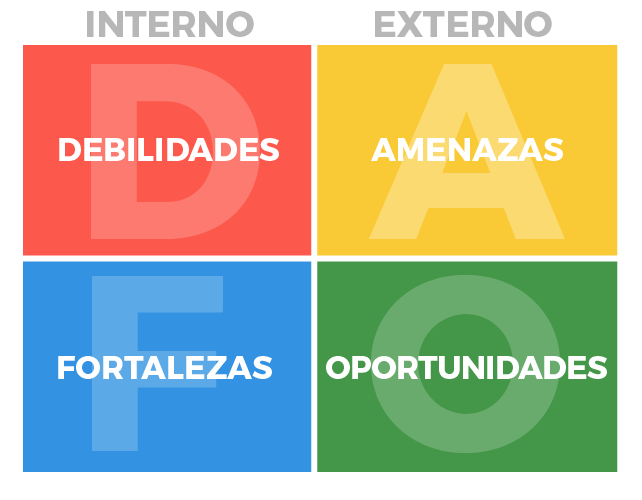
- SWOT analysis: This is the outlining of the strengths and opportunities, along with the weaknesses and threats that plague your product.
- Mind maps: a graphic representation of the causes and consequences of a problem. In this case, represented by your customers’ needs.
Examples of design thinking
There are many examples of design thinking that have generated excellent results.
One of the most popular cases is that of Netflix , which, through user-based thinking, developed a new concept : they replaced movie rental stores with an entire catalog in the comfort of your home.
Other companies like Uber and Spotify have done the same . They’ve managed to turn their respective businesses around 180 degrees. You can do it too!